How to Care for an Older Dog: Everyday Ways to Support Their Wellbeing
As our dogs age, their behaviour and needs may begin to change. You might find they need more recovery time, move a little more slowly (despite still thinking they can run just as fast) or need support with things they previously found easy.
However, getting older does not mean your dog should stop enjoying walks, play, attention and the routines they love.
There is no single approach that suits every older dog. Their breed, size, health, personality and previous activity levels will all influence the care they need. The most important thing is to pay attention to your dog and adapt their routine as their individual needs change.
Here are 6 practical ways to care for an older dog.
1. Help your older dog maintain a healthy weight
Maintaining a healthy weight is important throughout a dog’s life, but it can become particularly relevant as they get older.
Some older dogs become less active and begin to gain excess weight. Carrying additional weight can make everyday movement more difficult and place unnecessary strain on the body. You may therefore need to adjust how much food they receive as their activity levels change.
Other dogs may begin to lose weight as they age, which can also require veterinary advice. This can be down to poor dentition, the bodies reduced ability to absorb nutrients from the food or an underlying health condition. Monitor both your dog’s weight and their general body shape rather than assuming every older dog needs less food.
You can help by:
- Measuring their daily food
- Taking treats and extras into account
- Checking their weight and body condition regularly Choosing food suited to their age and individual needs
- Consider a senior specific food
- If feeding dry food, ensure they are able to chew it properly
- Discussing noticeable weight changes with your vet
2. Provide suitable, regular exercise
Older dogs still benefit from regular movement, mental stimulation and opportunities to explore. For many, shorter and more frequent walks may be more manageable than one long outing.
Let your dog set the pace and allow plenty of time for sniffing and rest breaks. Their routine might include:
- Shorter walks on familiar routes
- Gentle play at home or in the garden
- Driving to a local parks to reduce time on their feet
- Sniffing and enrichment activities
- Flatter or more even walking surfaces
- Rest breaks during longer outings
Watch how your dog moves during exercise and how they behave afterwards. Slowing down, repeatedly stopping or appearing unusually tired may suggest that their routine needs adjusting.
Your vet can advise on an appropriate level of exercise, particularly if your dog has an existing condition or has recently become less mobile.
3. Create a comfortable place to rest
Older dogs often need more time to sleep and recover after walks, visitors, travel or busy days. A supportive and easily accessible bed can make an important difference to their daily comfort.
Place their bed somewhere warm, dry and away from cold draughts. It should allow them to rest without being disturbed while still feeling included in family life.
Consider:
- Whether the bed provides enough cushioning and support
- Whether your dog can step into it easily
- Whether their bed is on the ground floor of the house
- Whether the surface underneath is stable and non-slip
- Whether they need more than one resting place
- Whether the cover can be removed and washed
- Some dogs prefer raised edges to lean against, while others find a flat bed easier to access.
Encourage everyone in the household to leave your dog alone when they are sleeping or have chosen to go to their bed. This is especially true for older dogs that may not hear someone approaching them. A predictable routine for meals, walks and rest can also be reassuring.
4. Make the home easier to move around
Small changes around the home can help an older dog continue moving around safely and independently.
Smooth floors may become harder to navigate if your dog feels less steady on their feet. Rugs, runners or non-slip mats can provide extra grip in the areas they use most often.
You could also consider:
- Keeping food, water and beds within easy reach (consider raising bowls for medium – large breeds)
- Reducing unnecessary use of stairs
- Moving a bed downstairs, or adding addition bed choices
- Using a ramp where appropriate
- Keeping regularly used routes clear
- Helping your dog in and out of the car
Introduce changes gradually, as sudden alterations to their environment may be confusing, particularly if their eyesight or hearing is changing.
5. Keep their nails and paws in good condition
Long nails can affect how a dog places their feet and may make walking on hard or slippery surfaces more difficult.
Older dogs may not wear their nails down as quickly if they are walking shorter distances or spending more time on soft ground. Check them regularly and arrange for them to be trimmed when needed.
It is also worth checking their paws for:
- Cracked or damaged pads
- Redness or irritation
- Lumps or swelling
- Debris between the toes
- Changes in how they use a paw
Speak to your vet if you notice anything unusual or your dog becomes reluctant to have their feet handled.
6. Continue regular veterinary checks
Regular veterinary appointments provide an opportunity to discuss changes in your dog’s weight, mobility, teeth, appetite, behaviour and general health.
Some health concerns can initially be subtle and may be mistaken for a normal part of ageing. Becoming reluctant to walk, struggling to get up or withdrawing from family activities should not automatically be dismissed simply because a dog is older.
Speak to your vet if you notice:
- New stiffness, limping or difficulty moving
- Reduced interest in walks or play
- Changes in appetite, thirst or weight
- Difficulty settling or getting comfortable
- Changes in toileting or sleep
- Increased restlessness or confusion
- Unusual panting, pacing or vocalising
- Changes in personality or behaviour
Your veterinary practice can advise how frequently your dog should be checked based on their age and health.
Caring for an older dog is often about making gradual adjustments rather than completely changing their lifestyle.
A walk may become shorter. A bed may need moving downstairs. A rug might be added to a slippery floor. Your dog may simply need more time to get into the car or recover after an active day.
Products that may support an older dog’s comfort
Alongside suitable exercise, weight management, comfortable rest and regular veterinary care, some products can help make everyday life more comfortable for an older dog.
Heat and massage may form part of a wider wellbeing routine for some dogs. Gentle warmth can feel soothing, while massage can provide calm one-to-one time and help you become more familiar with your dog’s body.
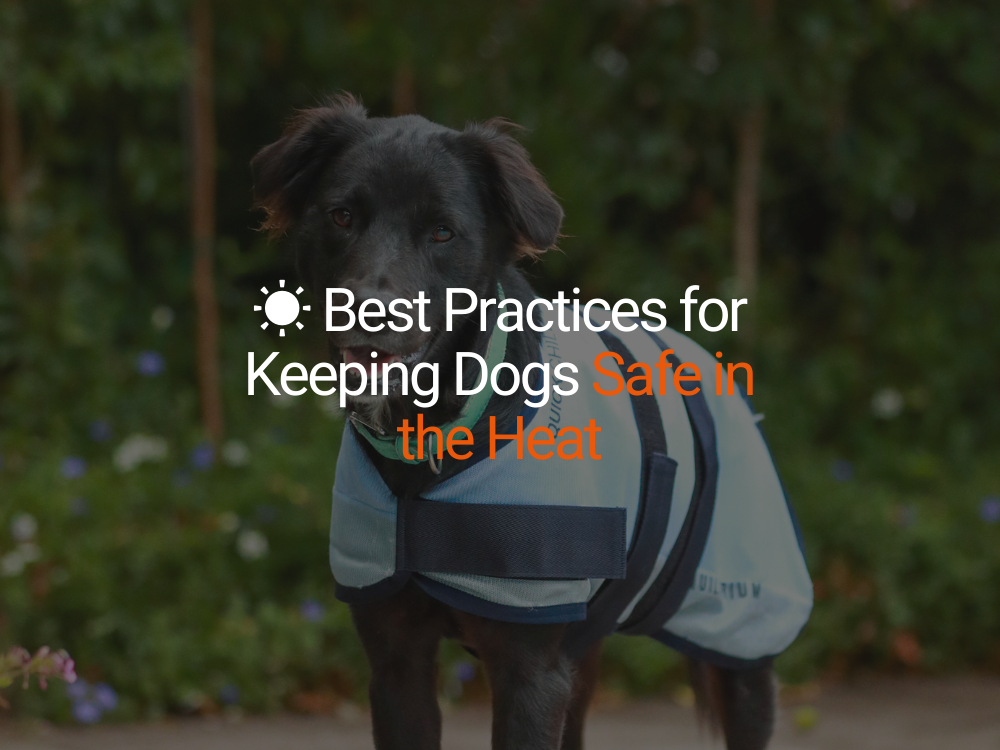
During warmer weather, a cooling coat may also help older dogs stay more comfortable, particularly as they may find it harder to cope with heat or recover after activity. The Quick Chill Cooling Coat is designed to provide cooling through evaporation after being soaked in water and wrung out.
Other useful additions might include supportive bedding, non-slip mats, ramps and easy-access food or water bowls, depending on your dog’s individual needs.
These products should support, rather than replace, the everyday basics covered in this guide.
Read our guide to heat and massage for older dogs to learn more about how they may fit into a wider care routine, or explore the Quick Chill Cooling Coat for support during warmer weather.
This article is intended as general information and is not a substitute for veterinary advice. Contact your vet if you are concerned about your dog’s health, behaviour, comfort or mobility.