
Testing Phase 1 – Independent Laboratory
Testing Phase 2 – Tester Panel
ライダーとして、私たちは自分たちの最も重要な部位(頭部と胴体)を、乗馬用ヘルメット、ボディプロテクター、そして近年ではエアジャケットなどで保護しています。ライダー用保護具は、基準や規制を満たすために広範な試験を受けています。馬にとって不可欠な一部である馬の脚用プロテクションブーツも、同様の試験プロセスを経るべきだと私たちは考えています。
Tri-Zoneブーツは独自の3段階の試験プロセスを経ており、馬にとって最適な脚の保護用品を選んでいるという安心感を提供します。素材は、最大限の保護力を提供しつつ、かさばらず、重くならず、馬の脚を熱く湿らせないよう慎重に選ばれています。Tri-Zoneブーツの各層は、その優れた技術的特性のために研究・調達され、馬の脚に装着される前に独立した研究所で試験されています。
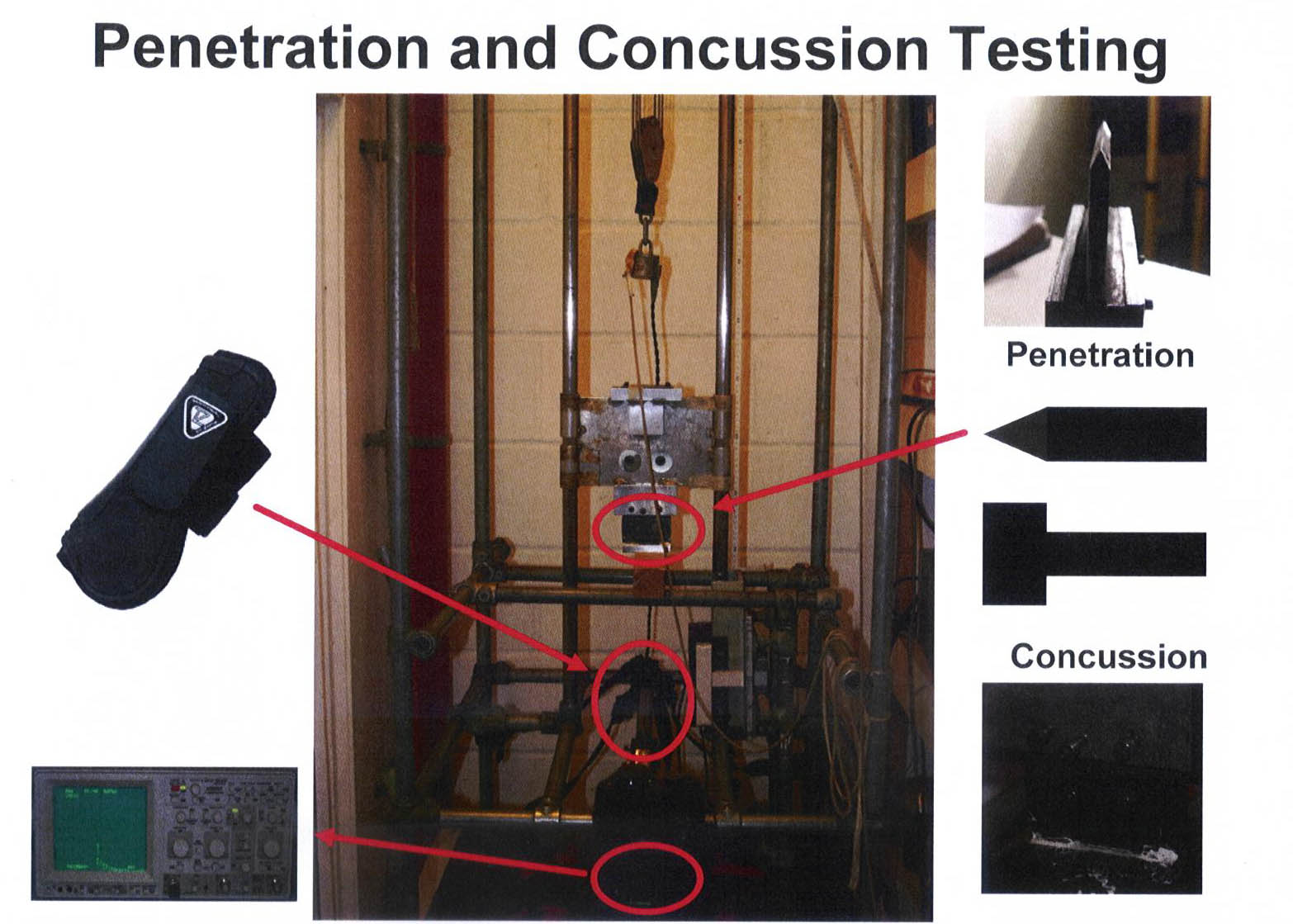
In the same laboratory that test standards of riding hats and body protectors, Tri-Zone boots are safety tested to their limits for their ability to withstand concussion and penetration whilst remaining lightweight, breathable and flexible.
For concussion and penetration the testing is carried out using a custom made test rig consisting of a tower from which either a blunt hammer or a cutting blade is dropped onto the boots in a controlled fashion. The weight of the blade and hammer are fixed and different forces are applied to the boots by varying the height from which they were dropped onto the boots. Boots were hit with forces ranging from 1.25 to 20 Joules. These forces were chosen as being those likely to occur in the horse during exercise, for example when hitting obstacles or over-reaching.
We test our boots to measure how well the boots allow heat to escape in order to reduce the risk of tissue damage.
Research has shown that when tendon cells are heated to 48°C for 10 minutes approx, 80% of them die*. We use several different methods to assess heat release from boots. The heat release is estimated by fitting the boots to a metal flask containing water at 45°C in a room at 20°C with no significant radiation. The surface temperature of the boots is measured using a thermal camera. We tested Tri-Zone boots, along with a number of other boots on the market.
From this it was clear that some boots were very effective insulators and kept the heat in so the outside of the boot appeared cold. Other boots appeared much hotter on the surface, showing that they were allowing heat to escape.
Heat release was then estimated by measuring the rate at which the temperature of the water in the flask dropped whilst 20°C air was being blown over the boot (via a fan). This was done to simulate the movement of air over the boot and leg as would occur during exercise.
If boots are constructed of inflexible (i.e. stiff) material or if boots are applied too tightly, they have the potential to restrict joint movement and cause other problems such as tendonitis. Stride characteristics and performance could also be affected. Boots need to allow as much freedom of movement as possible without compromising on their primary function of protection. We test our boots to make sure that they do not restrict the horse’s movement whilst still exceeding protection requirements. An 8cm x 1m steel pipe is set up secured to a workbench. The boots are fixed to the pipe and a 10kg weight is attached with a clip on the boot and the downward direction measured. The degree of flexibility is measured by how much the boot bends.
Adding even small amounts of weight to the end of the leg in the form of a boot significantly increases the effort the horse must make to run and can also alter the stride characteristics. Some boots can double in weight if the horse is being exercised in the rain, on wet ground or going through water. This can seriously affect stamina and performance. We design and test our boots to minimise water absorption, excess weight but without compromising on protection.
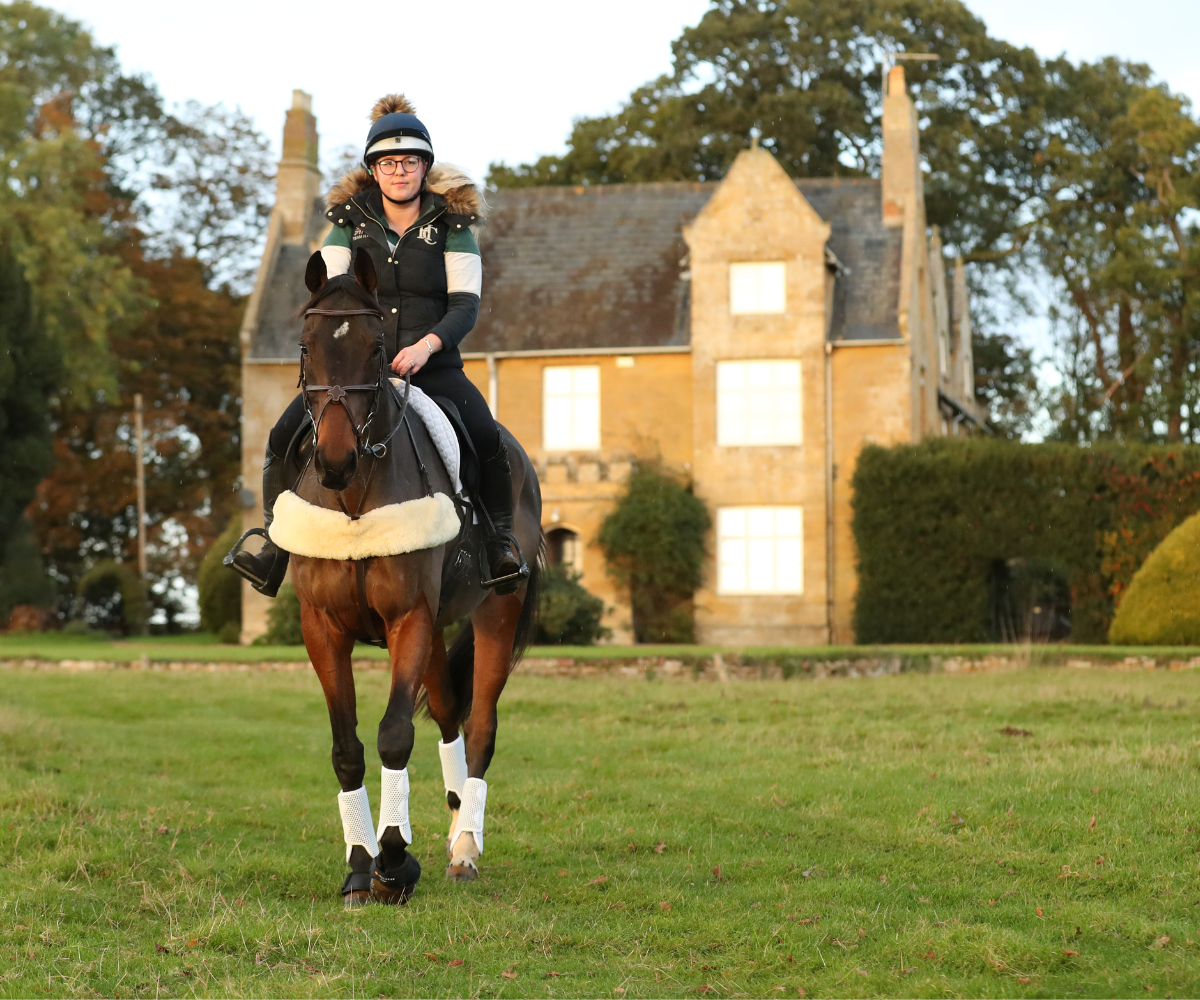
The boots then undergo trials by an extensive tester panel of horse owners and riders who test them for the fit, comfort, ease of use and washing to ensure we have not only a safe product but one that people can easily use and trust.
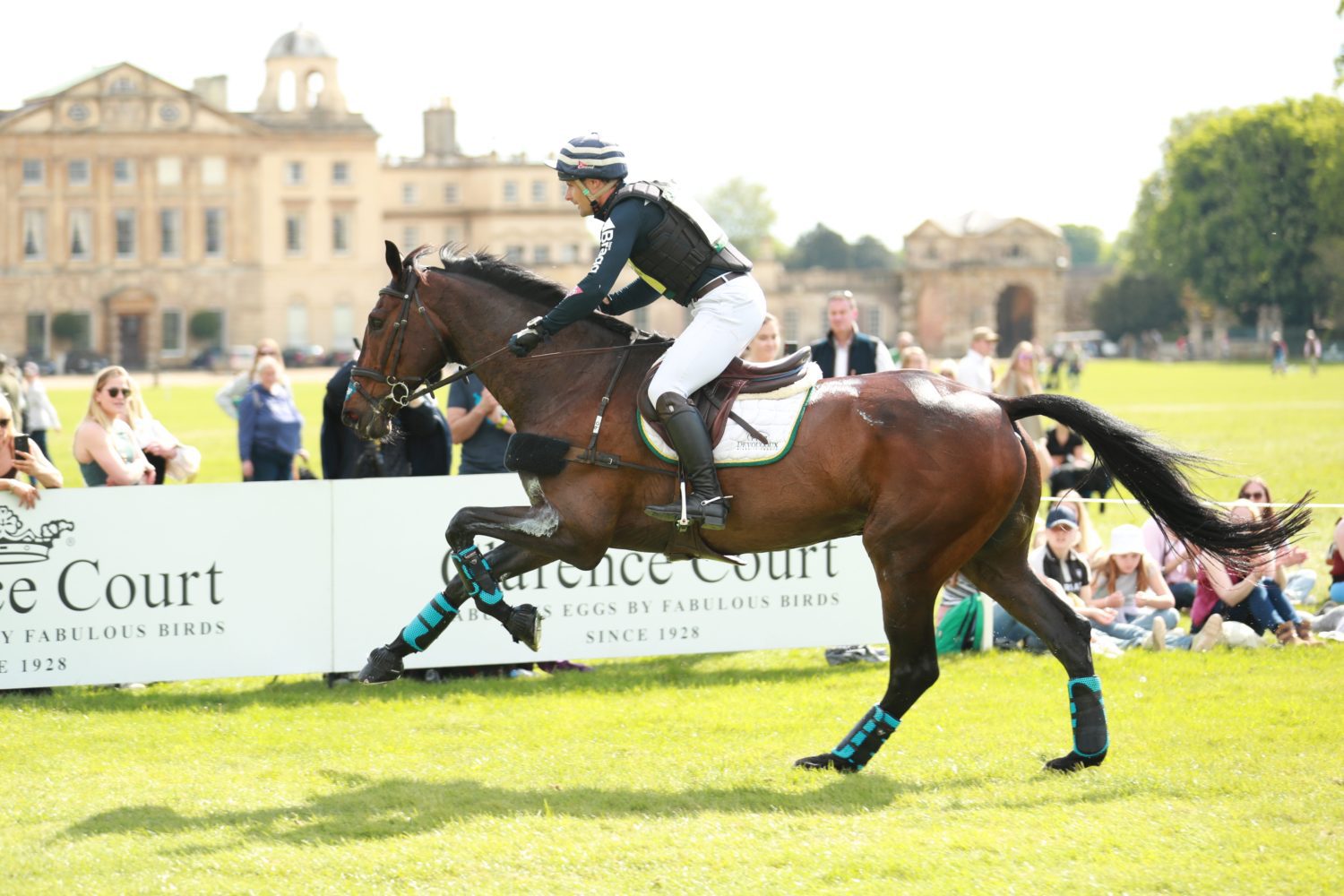
Finally the boots go through the rigorous test of being used all day, every day on busy competition yards by teams of professional riders. Tri-Zone boots are worn either at home or at competitions by an array of Olympic riders, world champions and top producers.
A Guide to Horse Boots, Wraps and Chaps
As riders and horse owners, we ask our horses to live and work in ways that they would not in the wild. As a result we need to provide them with leg protection against injury from external impact, self-inflicted harm, and stress-related problems.
Tri-Zone Boot Breathability Testing
The Tri-Zone Brushing Boots have undergone independent testing with Dr David Marlin to establish exactly how breathable they are, and how this compares to other similar boots on the market. The testing method was designed to measure the amount of moisture escaped from the boot. This was performed in a controlled laboratory environment to eliminate as many variables as possible that can be experienced when testing on a live horse.
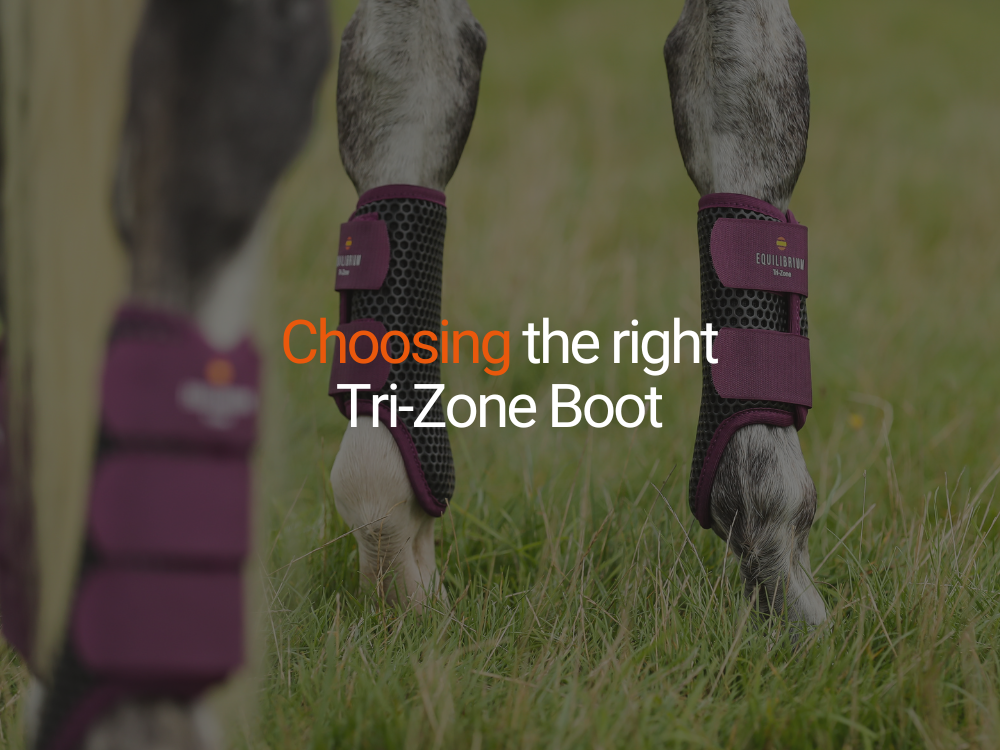
Choosing the right Tri-Zone Boot for Your Horse
The Tri-Zone range undergoes independent testing to ensure each boot is up to it's respective job - whether its a Brushing Boot or a boot designed for High Impact. Regardless of the protection level, each boot design is maximised to ensure it remains as breathable, lightweight and flexible as possible to ensure freedom of movement and comfort for your horse.
製品情報やセール、限定特典の最新情報をお届けするメーリングリストに登録してください
当社では、お客様に最高のウェブサイト体験を提供するために、Cookieおよび類似の技術を使用しています。